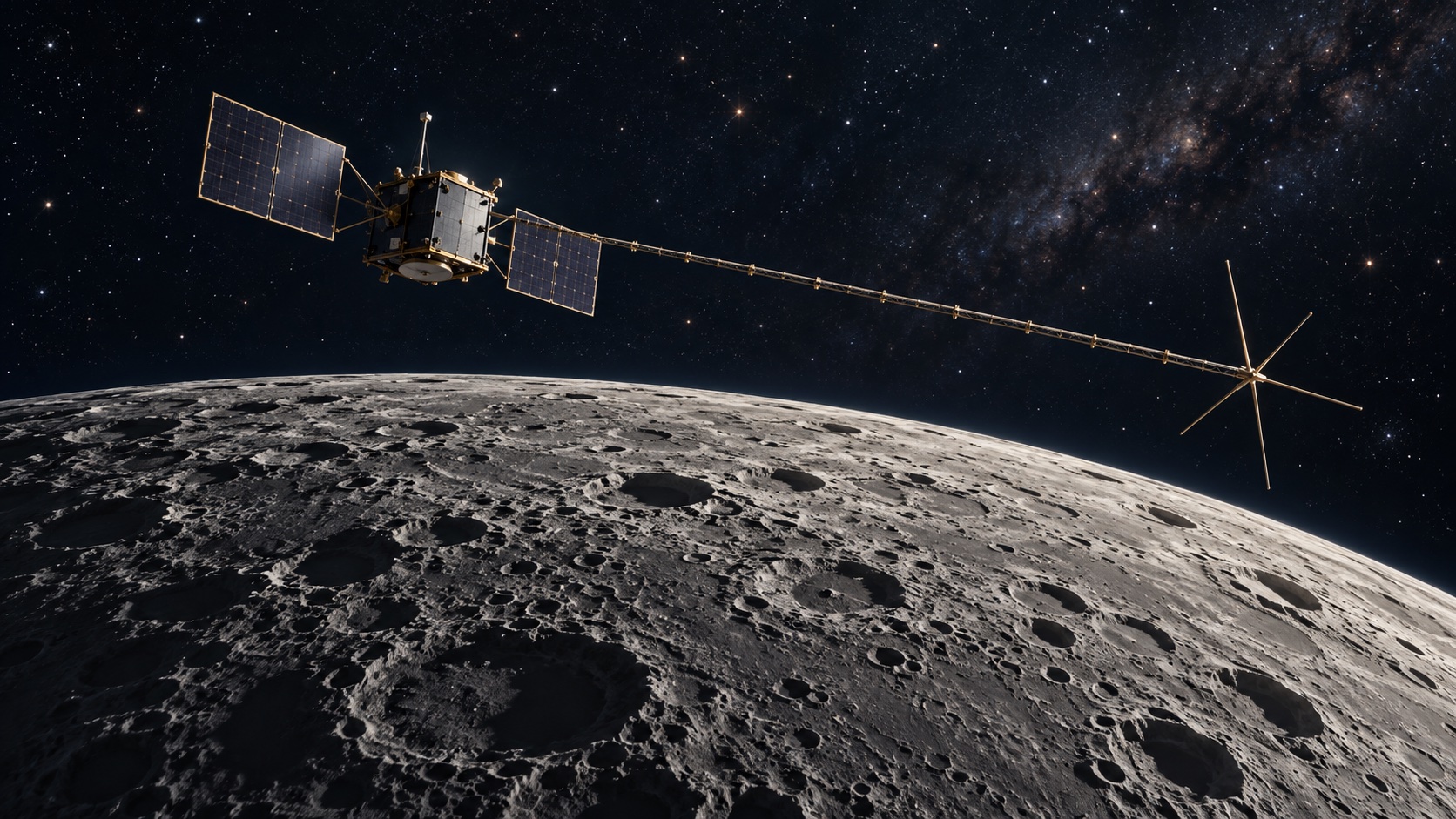
NASA’s October 8 update describes the SSPICY technology demonstration, launched October 1 aboard a Starfish Space Otter spacecraft. Inspections are planned to begin in early 2027, approaching up to four inactive objects of U.S. origin in low Earth orbit.
The mission will combine autonomous guidance, computer vision, electric propulsion and an articulating thruster boom. It will collect information such as spin, orientation and surface condition. NASA explicitly says SSPICY will not touch or dock with its targets. The objective is to test capabilities that could support later servicing or debris-removal missions, not to perform those operations now.
NAOAT analysis
Inspection has value because it can change what an operator decides to do next. Before a hypothetical repair attempt, a team would want to know whether the target’s movement and condition are compatible with the proposed approach. Useful imagery therefore needs to become a measurement with a stated uncertainty, rather than simply a clearer picture.
That creates a practical requirement for the data record. A surface observation should remain linked to viewing geometry, timing and the navigation estimate used when it was collected. A later engineering team could then judge whether an apparent feature is persistent or a consequence of lighting and perspective.
Testing the technologies together also addresses a different question from testing each component separately. A navigation decision changes where the spacecraft points and moves, which changes the observations available for the next decision. The integrated demonstration can reveal whether that feedback produces information useful for mission planning.
The distinction between observing and intervening is central to interpreting success. A completed inspection could reduce uncertainty without establishing that capture or repair is ready. Keeping those milestones separate would help future customers evaluate what the demonstration actually contributes to a service they might eventually purchase.